

This company has no active jobs
0 Review
Rate This Company ( No reviews yet )
About Us
See What Eaves Replacement Tricks The Celebs Are Utilizing
The Complete Guide to Eaves Replacement
Eaves are an important part of a structure’s roof. These overhanging edges serve several purposes, from directing rainwater away from the foundation to boosting the visual appeal of a structure. Nevertheless, like any other structure element, eaves can break with time due to exposure to the components. This article will check out the significance of eaves, the signs that suggest a need for replacement, the process of eaves replacement, and often asked questions associated with this subject.
Understanding Eaves
Eaves are the part of a roofing system that overhangs the walls of a structure. They can be found in different architectural designs, and their style typically depends on the structure’s overall visual. The main functions of eaves are:
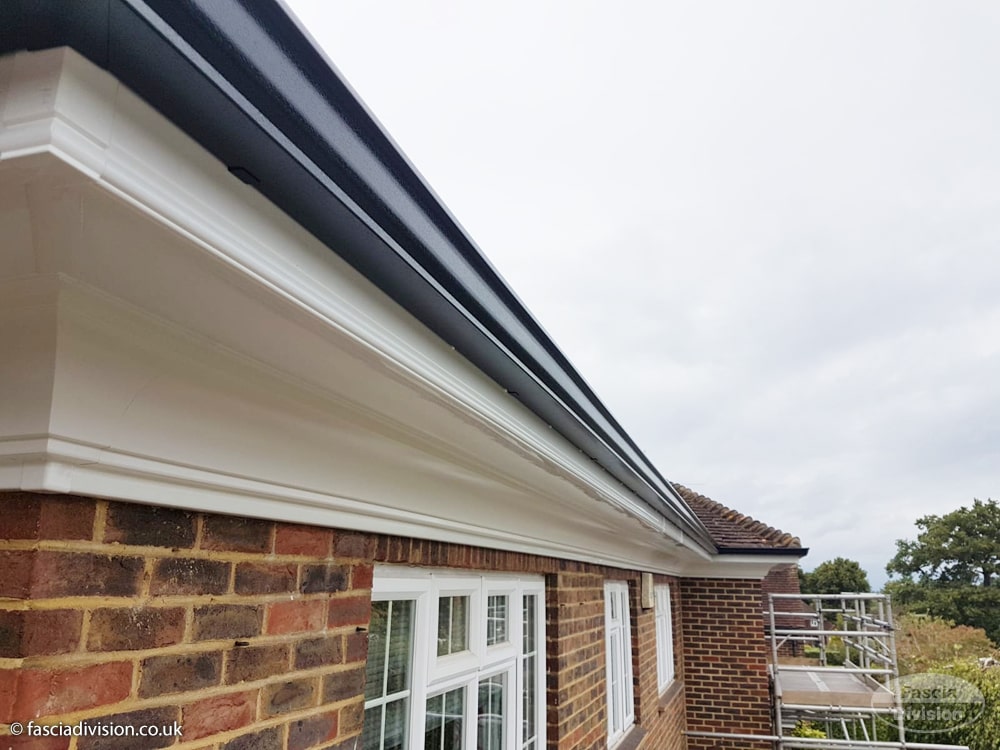
Water Management: Eaves help in directing rainwater far from the walls and structure, therefore preventing water damage and erosion.
Protection: They protect the structure from direct sunshine, which can help in reducing cooling expenses in warmer environments.
Aesthetic Appeal: Eaves contribute considerably to the architectural style and charm of a structure.
Kinds of Eaves
There are mostly two types of eaves: Open Eaves and Closed Eaves.
Open Eaves: These have actually exposed rafters or beams and offer a rustic look. They are easy to maintain however may need more attention to avoid water damage.
Closed Eaves: These are completed with a soffit and fascia, creating a cleaner appearance. They typically are much better at concealing necessary parts, such as ventilation systems.
| Function | Open Eaves | Closed Eaves |
|---|---|---|
| Aesthetic Appeal | Rustic | Clean |
| Maintenance Ease | Simpler | More Complex |
| Security Level | Moderate | High |
Indications That Your Eaves Need Replacement
It is crucial to check eaves regularly to guarantee they remain in excellent condition. Some indications that suggest a requirement for eaves replacement consist of:
Visible Damage: Cracks, holes, or substantial wear are clear indicators that your eaves may require replacement.

Water Stains: If you observe water stains on interior walls or ceilings, it might suggest that water is not being adequately directed away.
Sagging or Drooping: Eaves that sag or droop may signify structural failure or heavy water accumulation.
Rotting Wood: Wood eaves are susceptible to rot. If the wood feels soft or reveals indications of decay, replacement is required.
Pest Infestation: Evidence of bugs like ants or termites can be a sign of instability in the eaves and therefore a requirement for replacement.

The Eaves Replacement Process
Changing eaves can be a labor-intensive task, typically requiring professional help. Below is a step-by-step procedure of how eaves are typically changed:
Assessment: Identify damage and figure out the type of eaves that require to be changed.
Removal: Carefully eliminate the existing eaves. This might involve cutting nails or screws and guaranteeing that contributing structures are not harmed.
Preparation: Inspect and repair any damage to the underlying structures, such as fascia boards.
Installation: Install the new eaves. This includes connecting them securely to guarantee avoid future concerns.
Finishing Touches: After installation, painting or sealing the eaves may be essential to safeguard versus the aspects.
Examination: Carry out a last evaluation to ensure that whatever has been set up properly which there are no leaks.
Maintenance Tips for Eaves
Once the brand-new eaves are set up, it is vital to keep them well-kept. Here are some tips:
- Regularly clean rain gutters to prevent obstructions.
- Check eaves after heavy storms for any damage.
- Paint or seal wood eaves every 3-5 years to avoid rot.
Frequently Asked Questions About Eaves Replacement
Q1: How long does it generally take to replace eaves?A: The duration depends on the size of the task and intricacy however can range from a couple of hours to a couple of days.
Q2: Can I change eaves myself?A: DIY replacement is possible for those with the ideal abilities and tools. Nevertheless, hiring experts is advisable for security and effectiveness, particularly for intricate structures. Q3: What materials are commonly utilized for eaves?A: Eaves can
be made from different products, consisting of wood, vinyl,
aluminum, and fiber cement. The option often depends on the building’s design and environmental conditions. Q4: How much does eaves replacement generally cost?A: Costs differ considerably based on area, materials picked, and labor charges, typically varying
from ₤ 100 to ₤ 300 per direct foot for installation. Q5: Can I change the style of my eaves?A: Yes, eaves can be replaced with a various design during the replacement process, permitting homeowners to boost their structure’s aesthetics. Eaves play an essential function in safeguarding a building and boosting its look. Routine evaluations and timely replacements are crucial to maintain both functionality and aesthetics. While eaves replacement can be a challenging job, comprehending the process and knowing when to do something about it can make it more workable. Interested homeowners should speak with professionals to make sure a successful replacement procedure customized to their specific needs.