

This company has no active jobs
0 Review
Rate This Company ( No reviews yet )
About Us
The One Ramps For Wheelchairs Mistake Every Beginning Ramps For Wheelchairs User Makes
The Ultimate Guide to Removable Ramps for Wheelchairs
As society relocations towards inclusivity, the need for accessible home has actually become more noticable. For people who depend on wheelchairs, removable ramps act as critical tools to browse different environments. This extensive guide explores the significance of removable ramps, their advantages, types, and frequently asked questions, all presented with clarity to ensure that anybody, despite their familiarity with the subject, can comprehend their significance.
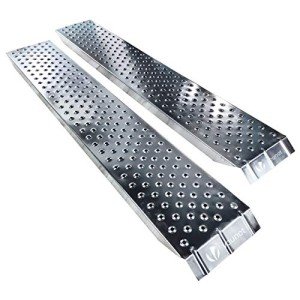
Understanding Removable Ramps
Removable ramps are portable, lightweight structures developed to help wheelchair users in conquering challenges such as stairs, curbs, and doorways. Unlike long-term ramps, these can be taken down and transported easily, making them ideal for temporary usage in homes, public locations, or occasions.
Secret Features of Removable Wheelchair Ramps
| Feature | Description |
|---|---|
| Material | Often made of aluminum, plastic, or wood, guaranteeing durability while being lightweight. |
| Portability | Easy to move and save, making them perfect for numerous uses and locations. |
| Adjustability | Some models can be adjusted in height or length to accommodate various barriers. |
| Weight Capacity | The majority of ramps can support weights varying from 300 to 800 pounds, accommodating a large range of wheelchairs and users. |
Advantages of Using Removable Ramps
The advantages of removable wheelchair ramps extend far beyond mere availability. Here are numerous key advantages:
Flexibility: Removable ramps can be utilized in multiple locations, whether it be at home, work, or during trips.
Cost-Effective: Investing in removable ramps can be more affordable than building irreversible ramps, specifically for tenants who can not customize their homes.
Security: They supply a safe solution for wheelchair users to navigate unequal surfaces, reducing the risk of mishaps or falls.
Range of Options: Available in various sizes, weights, and materials, permitting users to discover the best fit for their needs.
Storage: When not in use, removable ramps can be easily saved, releasing up space.
Kinds Of Removable Ramps
Here’s a breakdown of the most common types of removable ramps readily available:
| Type | Description | Perfect Use Case |
|---|---|---|
| Folding Ramps | Compact, flexible ramps that can be folded for storage. | Perfect for lorries, home use, and travel. |
| Telescoping Ramps | Adjustable ramps that can be extended or reduced. | Appropriate for varying heights and thresholds. |
| Strong Ramps | Non-folding, strong ramps that offer a constant surface. | Best for permanent setups in temporary environments. |
| Threshold Ramps | Short, frequently lightweight ramps designed for entrances. | Perfect for browsing curbs or doorsteps. |
Picking the Right Removable Ramp
When picking a removable ramp, a number of elements ought to be taken into account, consisting of:
Weight Capacity: Ensure the ramp can support both the user and their wheelchair.
Length and Width: Measure the height of the step or limit and select a ramp that provides a suitable slope.
Product: Decide in between options like aluminum for portability or a more solid material for stability.
Mobility: Evaluate how far you will need to transport the ramp and choose one that fits your requirements.
Storage: Consider the area readily available for keeping the ramp when not in use.
Additional Considerations
Security Features
When buying removable ramps, security ought to be a leading concern. Features to think about consist of:
Non-Slip Surface: Ensures traction for wheelchair wheels during use, specifically in wet conditions.
Side Guards: Prevents the wheelchair from rolling off the edge.
Resilience: Look for products designed to endure outside conditions if needed.
Setup
Although removable ramps are created for ease of usage, some might require very little assembly. Constantly examine the producer’s standards before use.
Often Asked Questions (FAQs)
1. Are removable ramps costly?
Costs can differ considerably depending upon the size, product, and brand. Removable ramps might range from ₤ 100 to ₤ 700, making them an inexpensive option compared to custom-built, long-term ramps.
2. How do I maintain removable ramps?
Keep ramps clean and devoid of particles. Frequently look for signs of wear or damage, particularly if used outdoors, considering that weather can impact stability.
3. Can someone established a removable ramp?
Yes, many removable ramps are lightweight and designed for easy setup by a bachelor. Nevertheless, it is advisable to have assistance when lifting heavier models.
4. Will a removable ramp work for my wheelchair?
The majority of removable ramps are compatible with standard wheelchairs and scooters. Always validate the weight capability and measurements to make sure compatibility.
5. Are there regulations regarding ramps in public areas?
Yes, the Americans with Disabilities Act (ADA) describes particular guidelines for accessibility, including ramp specifications. If you plan to use ramps in public areas, ensure they abide by local guidelines.
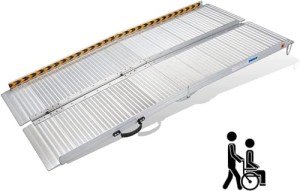
Removable Ramps For Wheelchairs (www.josefklacic.top) are not just practical tools; they symbolize a society aiming for accessibility and inclusivity. From enhancing mobility to offering security and convenience, the importance of these ramps can not be overstated. As the market continues to progress, users will discover even more ingenious options customized to their needs, ensuring that everybody can navigate their world with self-confidence and ease.
When choosing a removable ramp, keep in mind to examine private requirements and seek advice from guidelines to maximize security and functionality. The ideal ramp can open doors– literally and figuratively– permitting users to experience freedom and self-reliance in their lives.