

This company has no active jobs
0 Review
Rate This Company ( No reviews yet )
About Us
Wheelchair Ramps For Mobile Homes Tools To Help You Manage Your Everyday Lifethe Only Wheelchair Ramps For Mobile Homes Trick Every Individual Should Be Able To
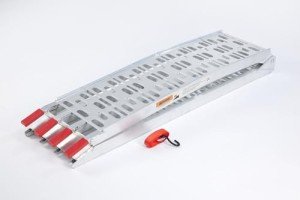
Wheelchair Ramps for Mobile Homes: Accessibility Solutions for All
As society advances towards higher inclusion, availability in all elements of life has actually ended up being critical, particularly for people who require mobility support. Mobile homes, frequently admired for their cost and versatility, can often present difficulties for wheelchair users. Wheelchair ramps can provide an important option, ensuring that everyone has equal access to their living spaces. This blog post will dig into the importance of wheelchair ramps for mobile homes, the different types offered, and considerations for installation.
Tabulation
- Value of Wheelchair Ramps
- Kinds Of Wheelchair Ramps for Mobile Homes
- 2.1 Portable Ramps
- 2.2 Semi-Permanent Ramps
- 2.3 Permanent Ramps
- Product Considerations
- Setup Guidelines
- Maintenance Tips
- Often Asked Questions (FAQs)
- Conclusion
1. Importance of Wheelchair Ramps
Wheelchair ramps are important for individuals with limited mobility for numerous reasons:
Independence: Ramps supply individuals with the ability to enter and exit their homes without needing help, cultivating autonomy.
Security: The absence of a ramp can cause accidents and injuries, especially for those with mobility devices. Ramps minimize these threats by offering a stable, steady slope.
Inclusive Living: As more individuals select mobile homes for their price and mobility, making sure that these homes are accessible is essential for creating inclusive communities.
2. Types of Wheelchair Ramps for Mobile Homes
When selecting a ramp for a mobile home, numerous choices are developed to satisfy specific requirements and choices.
| Ramp Type | Description | Pros | Cons |
|---|---|---|---|
| Portable Ramps | Lightweight, easy to transfer and set up. Frequently made of aluminum or fiberglass. | Versatile and hassle-free for temporary use. | May not be long lasting for long-lasting usage. |
| Semi-Permanent Ramps | Fixed in location but can be eliminated if required. Generally more stable than portable ramps. | Offers a balance in between flexibility and stability. | Some assembly required; may need permits. |
| Irreversible Ramps | Built straight into the home structure, often developed to meet local building codes. | Highly durable and customized to specific requirements. | More expensive and often needs professional installation. |
2.1 Portable Ramps
Portable ramps are especially ideal for those who might require mobility aids periodically. They can be quickly set up and eliminated, making them ideal for temporary ease of access services.
2.2 Semi-Permanent Ramps
For people searching for a solution that stabilizes versatility and stability, semi-permanent ramps are an exceptional choice. They provide the benefit of being semi-fixed while still permitting elimination if circumstances change.
2.3 Permanent Ramps
Long-term ramps are best suited for long-term citizens who need constant ease of access. These ramps can be customized to fit the particular design of a mobile home, guaranteeing maximum usability and visual appeal.
3. Product Considerations
The product of the ramp considerably affects its toughness, maintenance needs, and visual compatibility with the mobile home.
- Aluminum: Lightweight and rust-free, making it a perfect option for portable ramps.
- Wood: Offers a conventional look and benefits long-term ramps however needs routine upkeep to avoid rot and splinters.
- Fiberglass: Strong and lightweight, resistant to weather and UV rays, making it suitable for numerous climates.
4. Setup Guidelines
Installing a wheelchair ramp needs careful preparation and execution. Here are some key steps:
- Assess the Area: Measure the height from the ground to the entryway to identify the ramp’s length.
- Examine Local Regulations: Many places have specific codes concerning ramp setup, including slope and material considerations.
- Pick a Design: Based on the meant use and space, choose the ramp type and material.
- Gather Tools: Ensure all required tools and materials are all set before starting.
- Setup: If you are not comfortable with DIY installations, think about working with a professional.
5. Upkeep Tips
Keeping a wheelchair ramp guarantees safety and durability. Here are some useful maintenance pointers:
- Regular Inspection: Check for any loose bolts, signs of wear, or damages a minimum of biannually.
- Clean: Keep the surface area clean from particles, specifically in areas that may collect rain or snow.
- Weather-proofing: If using wood, apply sealant or paint to secure versus moisture damage.
- Look for Slippage: Regularly check the surface area for required traction improvements, especially during damp or icy conditions.
6. Regularly Asked Questions (FAQs)
Q1: What is the perfect slope for a wheelchair ramp?
A1: The Americans with Disabilities Act (ADA) advises a slope ratio of 1:12, suggesting for each inch of rise, there must be at least 12 inches of ramp run.
Q2: Can I install a ramp myself?
A2: DIY installation is possible for portable ramps, but long-term and semi-permanent ramps might need professional assistance to guarantee they meet security requirements.
Q3: How large should a wheelchair ramp be?
A3: A minimum width of 36 inches is suggested to accommodate most wheelchairs and mobility gadgets easily.
Q4: Do I require an authorization to install a ramp?
A4: Many areas need a permit for long-term ramp setups. It is necessary to check with regional regulations before beginning the process.
7. Conclusion
Wheelchair ramps are not simply devices; they are essential functions of mobile homes that assist in availability and self-reliance for people with minimal mobility. By picking the best type of ramp, materials, and installation approaches, anyone can enhance their home’s security and ease of access. With ongoing advancements in style and safety requirements, the journey toward inclusive living environments continues to move on, making it possible for everyone to take pleasure in life with self-respect and independence.