

This company has no active jobs
0 Review
Rate This Company ( No reviews yet )
About Us
15 Lessons Your Boss Would Like You To Know You’d Known About Portable Ramp
The Essential Guide to Portable Ramps: Accessibility on the Go
In a world that is constantly pursuing inclusivity, portable ramps have gotten considerable attention and importance as a practical service for improving mobility and ease of access. Designed to provide a smooth transition for individuals who use wheelchairs, scooters, or other mobility aids, portable ramps help with access to different environments, from homes to public spaces. This blog post will give readers a comprehensive understanding of portable ramps, their advantages, different types, and vital considerations when choosing a proper ramp.
What is a Portable Ramp?
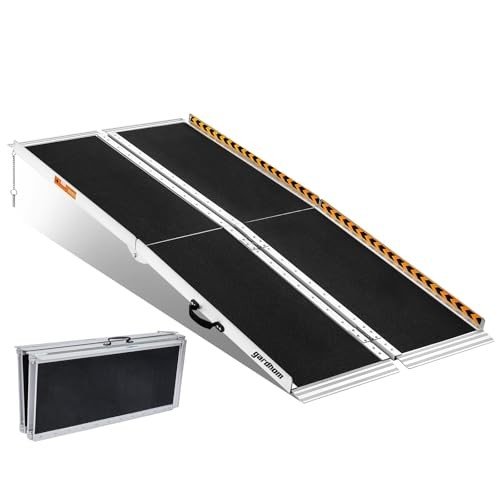
A portable ramp is a lightweight, quickly movable structure that enables individuals with mobility challenges to navigate various elevations, such as steps or curbs, safely. These ramps serve a range of purposes, including offering access to homes, vehicles, public structures, and even temporary structures at occasions.
Advantages of Portable Ramps
The adaptation of portable ramps offers numerous benefits. Here are some essential advantages:
- Enhanced Accessibility: Portable ramps make spaces accessible for people with disabilities, ensuring they can take part in a larger series of activities in different environments.
- Portability: True to their name, these ramps can be easily moved from one place to another, making them ideal for travel and temporary setups.
- Cost-Effectiveness: Instead of undergoing extensive modifications to a structure, portable ramps provide a more economical service to ease of access problems.
- Relieve of Use: Many portable ramps come with easy to use features such as foldable styles and non-slip surface areas, guaranteeing safety and benefit.
- Resilience: Constructed from robust materials, these ramps are developed to hold up against various weather without deteriorating.
Summary of Benefits
| Benefit | Description |
|---|---|
| Boosted Accessibility | Enables individuals to navigate different elevations |
| Portability | Quickly moved for usage in various locations |
| Cost-Effectiveness | A more affordable service than permanent ramps |
| Reduce of Use | User-friendly functions for safety and convenience |
| Durability | Made from robust materials for lasting use |
Types of Portable Ramps
There are numerous kinds of portable ramps, each designed for particular functions. Here’s a breakdown of the most common types:
1. Folding Ramps
Folding ramps are designed to be compact and easily portable. They often are available in 2 or 3 sections that fold together for storage.
2. Wheelchair Ramps
These ramps are specifically developed for wheelchairs and are usually wider and sturdier than general portable ramps. They may include added security aspects like side guards.
3. Threshold Ramps
Threshold ramps are perfect for conquering small height distinctions, such as entrances. They are normally shorter and can be completely installed or portable.
4. Freight Ramps
Freight ramps are utilized for loading and dumping items from lorries. They are designed to support much heavier weights and assist with loading boxes, mobility scooters, and more.
5. Multifold Ramps
Multifold ramps consist of multiple panels that fold out and can support bigger platforms. They provide a higher weight capability and are versatile for different usages.
| Ramp Type | Best Used For | Key Features |
|---|---|---|
| Folding Ramps | Easy transportation and storage | Compact, lightweight |
| Wheelchair Ramps | Availability for wheelchairs | Sturdy with side guards |
| Limit Ramps | Overcoming small height distinctions | Portable or installed |
| Freight Ramps | Loading/unloading much heavier products | Durable building and construction |
| Multifold Ramps | Versatile uses, higher weight capacity | Multiple folding panels |
Choosing the Right Portable Ramp
Picking the suitable portable ramp can considerably impact availability and safety. Here are vital considerations to remember:
1. Length and Height
Procedure the height of the steps or elevation you want to overcome. The length of the ramp plays a crucial role in ensuring a workable slope. A general guideline is a 1:12 ratio of increase to run; for each inch of height, you require a minimum of 12 inches of ramp.
2. Weight Capacity
Check the weight capability of the ramp to guarantee it will safely support the intended user and any extra devices.
3. Product
Portable ramps can be made from various materials, including aluminum, wood, or plastic. Aluminum ramps are usually favored for their lightweight and durable nature.
4. Surface area Traction
The ramp should have a non-slip surface area to prevent accidents, specifically in wet conditions. Try to find ramps with textured surfaces or rubberized coverings.
5. Mobility
Think about how typically the ramp will need to be transported. If frequent moving is expected, choose a ramp that is easy to fold and carry.
Portable Ramp Safety Tips
Using portable ramps efficiently requires attention to security:
- Inspect Before Use: Always examine the ramp for damage or use before utilizing it.
- Firmly Position the Ramp: Ensure that the ramp is steady and securely positioned on both ends.
- Weight Distribution: Ensure that users are located properly on the ramp to prevent shifting and tipping.
- Usage Assistance: If required, have another person assist someone using the ramp, particularly if they are brand-new to it.
- Regular Maintenance: Periodically look for dirt or particles on the ramp surface that could create hazards.
FAQs About Portable Ramps
Q1: Are portable ramps simple to establish?
Yes, the majority of portable ramps are designed for simple setup and takedown, generally needing very little effort.
Q2: Can I use a portable ramp inside your home?
Absolutely! Portable ramps can be made use of in both indoor and outside settings, making them flexible for various environments.
Q3: How do I figure out the appropriate length for my ramp?
Procedure the height of the steps or elevation that the ramp will require to accommodate and apply the 1:12 ratio rule as a guideline.
Q4: Are portable ramps weather-resistant?
Lots of portable ramps, especially those made from aluminum, are developed to withstand outdoor conditions. However, it’s vital to examine the producer’s specifications.
Q5: Do I require a special permit to use a portable ramp in public places?
While this differs by area and intention (temporary vs. permanent setups), constantly talk to regional guidelines to ensure compliance.
Portable ramps function as vital tools for improving mobility and availability for individuals with various needs. By comprehending the types, benefits, and factors to consider surrounding portable ramps, people, caretakers, and organizations can make informed choices that improve access and lifestyle. With the ideal portable ramp, you can bridge spaces, guaranteeing everybody can enjoy their environments with self-respect and independence.