
This company has no active jobs
0 Review
Rate This Company ( No reviews yet )

Island Cooker Hoods
(0)About Us
What’s The Job Market For Cooker Extractors Professionals Like?
Understanding Cooker Extractors: The Essential Guide for every single Kitchen
Cooking can be a joyous experience filled with the alluring scents of spices, herbs, and tasty meals. However, these delightful fragrances can have negative results on your kitchen environment if not appropriately aerated. This is where cooker extractors come into play. In this guide, we will explore the types, benefits, upkeep, and crucial factors to consider of cooker extractors, all accompanied by tables for clearer understanding.
What is a Cooker Extractor?
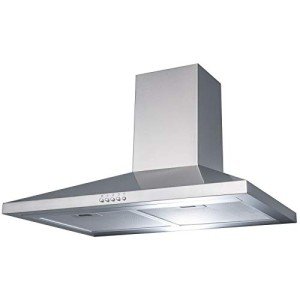
A cooker extractor, also referred to as a range hood or kitchen hood, is a gadget installed above the kitchen stove or cooktop. Its primary function is to ventilate and remove smoke, steam, cooking smells, and airborne grease from the air, ensuring a cleaner and healthier cooking environment.
Types of Cooker Extractors
| Type | Description | Pros | Cons |
|---|---|---|---|
| Wall-mounted hoods | Connected to a wall over the cooktop. | Space-saving; varied styles | Needs adequate wall space |
| Island hoods | Suspended from the ceiling above an island cooktop. | Visual appeal; effective suction | More costly; requires ceiling support |
| Under-cabinet hoods | Installed under cabinets above the stove. | Discreet; does not take up area | Restricted extraction power |
| Downdraft hoods | Withdraws into the counter top when not in usage. | Ingenious style; conserves area | Less effective; higher cost |
| Built-in hoods | Integrated into cabinets or home appliances. | Smooth look; exceptional fit | May require customized setup |
Advantages of Using Cooker Extractors
- Improved Air Quality: Cooker extractors successfully get rid of air-borne particles, smoke, and moisture, causing a healthier cooking environment.
- Minimized Odor: They decrease lingering cooking smells, keeping the rest of the home smelling fresh.
- Enhanced Cooking Performance: An aerated kitchen guarantees better temperature level control, which can boost meal preparation.
- Security for Your Kitchen: Extractors help to prevent grease buildup on walls and ceilings, thereby lengthening the life of kitchen surfaces.
- Aesthetic Appeal: Modern styles of cooker extractors can elevate the overall appearance of your kitchen.
How to Choose the Right Cooker Extractor
Choosing the perfect cooker extractor can be a challenging job provided the range of alternatives available. The list below factors ought to be thought about:
1. Size and Space
- Step your cooktop: The width of the extractor ought to preferably match your cooktop size.
- Ceiling height: Ensure the height of your setup appropriates for your kitchen design.
2. Extraction Rate
- Measured in cubic feet per minute (CFM), this suggests the volume of air the extractor can move. As a rule of thumb, kitchens need a CFM of 300-400 for effective ventilation.
3. Sound Level
- Try to find noise ratings measured in sones. A level of 1-3 sones is normally peaceful, while levels above might be disruptive.
4. Type of Ventilation
- Ducted vs. ductless: Ducted systems expel air exterior, while ductless systems filter and recirculate air back into the kitchen. Ducted systems are generally preferable if external venting is possible.
5. Style and Budget
- Choose a style that complements your kitchen design while remaining within your budget plan. Consider not only the initial cost however likewise maintenance and replacement parts.
Quick Comparison Table
| Function | Ducted System | Ductless System |
|---|---|---|
| Air flow | Exhales air outside | Recirculates filtered air |
| Installation | More complicated, needs ductwork | Easier installation, no ducts needed |
| Efficiency | Usually more efficient for heavy cooking | Less reliable for high smoke levels |
| Maintenance | Typically low, but ducts may require cleaning | Filters require regular replacement |
Upkeep of Cooker Extractors
To make sure ideal performance and longevity, cooker extractors require maintenance. Here’s a list for effective maintenance:
Regular Cleaning
- Clean the filters each month, depending upon usage. Grease filters can either be washed or replaced, while charcoal filters need to be changed as suggested by the producer.
Examine Fan and Lights
- Ensure that the fan is functioning correctly and changes light bulbs as required.
Inspect Ductwork
- If you have a ducted system, check ducts periodically for grease buildup and ensure they are clean and clear.
FAQs About Cooker Extractors
1. How often should I clean my cooker extractor?
It’s suggested to clean your grease filters every month. However, this may differ based on cooking frequency.
2. Can I set up a cooker extractor myself?
While some designs, especially ductless ones, are much easier to set up, it is typically best to speak with a professional for ducted systems.
3. How do I figure out the right CFM for my kitchen?
A good general rule is to choose an extractor with a CFM rating that’s 100 times the width of your cooktop. For example, a 30-inch cooktop might ideally need a 300 CFM extractor.
4. What is the distinction between a grease filter and a charcoal filter?
Grease filters eliminate grease particles from the air, while charcoal filters take in odors. Ducted systems typically utilize grease filters, while ductless systems require both for reliable purification.
5. Do I require an authorization for setting up a cooker extractor?
Each jurisdiction has its particular guidelines, so it’s wise to inspect local building regulations and guidelines before installation, especially for ducted systems.
A cooker extractor is an essential device that uses myriad benefits for both cooking lovers and everyday home cooks. With advancements in style and innovation, finding the best extractor tailored to your kitchen’s needs can boost both performance and visual appeal. By understanding the different types, advantages, and maintenance needed, homeowners can make educated decisions resulting in a more enjoyable and much healthier cooking experience.
Whether you’re upgrading your kitchen or embarking on a brand-new cooking journey, choosing the best cooker extractor can considerably raise your cooking area, guaranteeing that tasty meals come without the undesirable aftermath of odors and smoke.