
This company has no active jobs
0 Review
Rate This Company ( No reviews yet )

Goethe Zertifikat Kaufen
(0)About Us
The Top Reasons Why People Succeed With The Goethe A1 Certificate Industry
The Goethe A1 Certificate: A Comprehensive Guide
The Goethe A1 Certificate, known as “goethe-zertifikat (Www.jaybarie.top) A1: Start Deutsch 1,” is a substantial credential for people who want to demonstrate their foundational proficiency in the German language. This certification is acknowledged worldwide and is typically a stepping stone for those going into the German-speaking world. In this article, we will dive into the specifics of the Goethe A1 Certificate, the reasons to pursue it, and an in-depth assessment of the evaluation format.
What is the Goethe A1 Certificate?
The Goethe A1 Certificate is an entry-level German language certification that aligns with the Common European Framework of Reference for Languages (CEFR). This certification shows that the candidate can understand and utilize daily phrases and basic sentences. It primarily targets newbies to the German language, making it a perfect choice for novices.
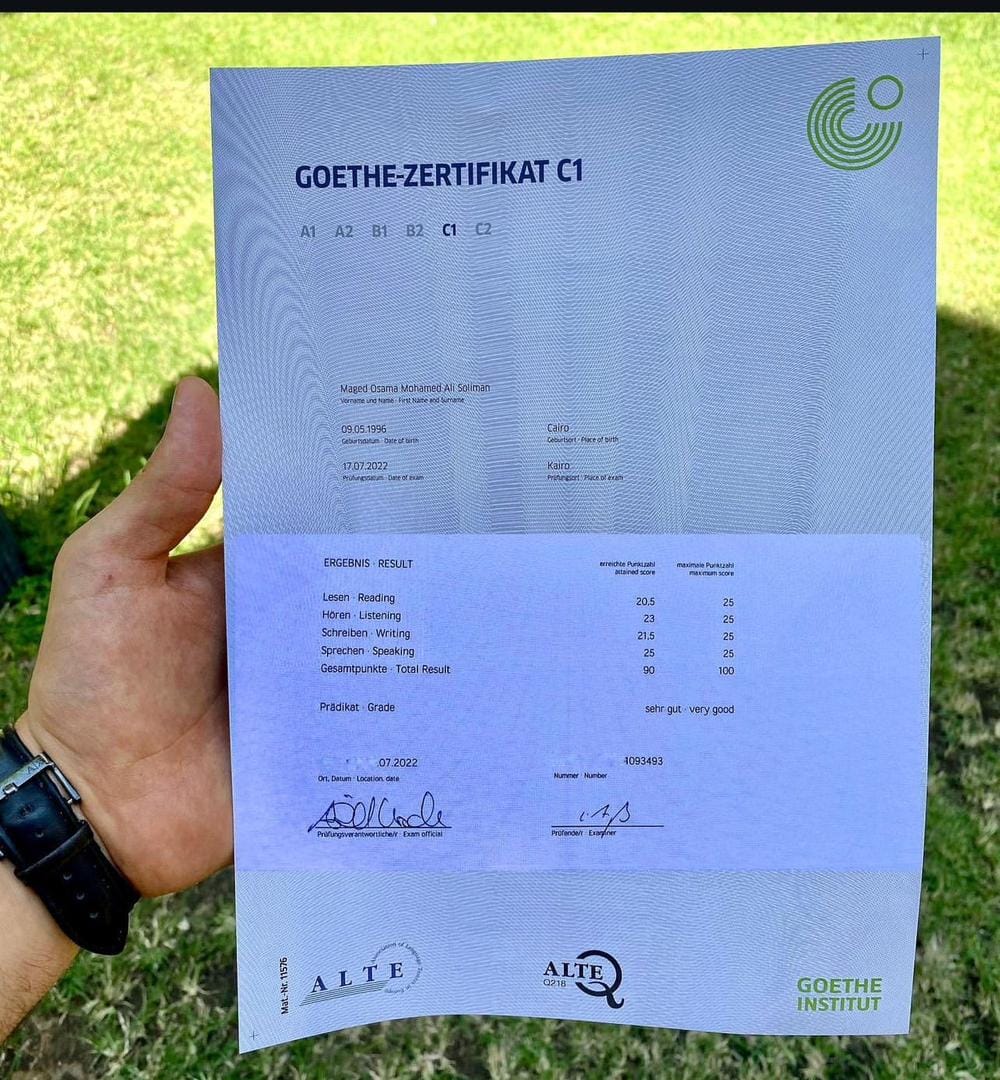
Secret Features of the Goethe A1 Certificate
| Feature | Information |
|---|---|
| Level | A1 (Beginners) |
| Duration of Test | Approximately 70-100 minutes |
| Test Components | Checking out, Writing, Listening, Speaking |
| Passing Score | 60% or above (varies by organization) |
| Validity | No expiration |
| Recognition | Internationally acknowledged by schools and employers |
Why Pursue the Goethe A1 Certificate?
There are a number of engaging factors to pursue the Goethe A1 Certificate, whether you are preparing to study, work, or travel in German-speaking nations. Here are a couple of crucial motivations:
1. Academic and Professional Opportunities
Lots of universities in Germany need evidence of language proficiency for admission to courses. Likewise, employers in German-speaking countries frequently choose candidates with official certifications in the language.
2. Developing a Solid Foundation
The Goethe A1 Certificate gears up students with basic German language skills, laying a solid foundation for advanced research studies or efficiency examinations. It prepares candidates for both social interactions and fundamental scholastic activities.
3. Confidence in Communication
Attaining the Goethe A1 Certificate enhances learners’ self-confidence, enabling them to participate in basic discussions and reveal fundamental needs in German. This can considerably boost their experience while taking a trip or residing in German-speaking locations.
4. Acknowledgment of Language Skills
Obtaining the certificate works as a concrete acknowledgment of a person’s language skills, which can be a useful addition to a resume or CV.
Evaluation Format
The Goethe A1 evaluation is divided into 4 primary elements, each designed to test various language abilities. Below is a summary of each part:
1. Listening Comprehension
- Duration: 20-30 minutes
- Format: Candidates listen to short dialogues or monologues and address concerns based upon what they hear.
- Topics: Everyday situations such as shopping, greetings, and basic information exchange.
2. Reading Comprehension
- Period: 30 minutes
- Format: Candidates read brief texts, including advertisements, timetables, and personal letters, followed by comprehension concerns.
- Abilities Tested: Ability to comprehend simple written language and extract appropriate details.
3. Written Expression
- Period: 20 minutes
- Format: Candidates write short texts, such as filling out a type or composing a basic letter.
- Focus: Correct usage of basic sentence structures and vocabulary.
4. Oral Expression
- Period: 10-15 minutes
- Format: One-on-one interaction with an examiner, where candidates answer questions about themselves and react to triggers.
- Focus: Simple discussion, pronunciation, and fundamental language use.
Summary of the Examination Components
| Component | Duration | Main Tasks |
|---|---|---|
| Listening Comprehension | 20-30 minutes | Response questions based on audio recordings |
| Checking out Comprehension | Thirty minutes | Checking out short texts and addressing comprehension questions |
| Written Expression | 20 minutes | Composing easy texts, filling forms, short letters |
| Oral Expression | 10-15 minutes | Engaging in an easy conversation with an inspector |
Frequently asked questions About the Goethe A1 Certificate
1. Who can take the Goethe A1 examination?
The examination is open to anyone who wants to certify their fundamental German language skills, despite age or background.
2. How can I get ready for the Goethe A1 exam?
Prospects can prepare by taking German language courses, utilizing online resources, experimenting textbooks, and taking part in discussion groups. There are likewise specific practice materials offered from the Goethe-Institut.
3. What is the registration procedure for the exam?
Candidates can sign up for the examination through the Goethe-Institut’s site or regional examination centers. It usually involves selecting a test date and paying a charge.
4. Is the exam performed in-person or online?
As of the newest updates, the assessment is mainly performed in-person at designated centers. However, some regions may provide online testing alternatives.
5. What occurs if I do not pass the evaluation?
Candidates can retake the assessment as often times as needed. It is recommended to concentrate on locations that need improvement before reattempting.
The Goethe A1 Certificate represents an essential milestone for language learners starting their journey in the German language. It uses numerous advantages, from improving educational prospects to offering a trustworthy measure of language skills. By preparing successfully for the examination and understanding the format, candidates can browse their path towards higher proficiency and self-confidence in utilizing German.
For individuals eager to welcome the German language and culture, the Goethe A1 Certificate is a formidable very first step. With devotion and practice, attaining this certification can open doors to additional expedition and chances in German-speaking environments.