
This company has no active jobs
0 Review
Rate This Company ( No reviews yet )

Freight Containers
(0)About Us
20 Reasons Why Shipping Container Manufacturers Will Not Be Forgotten
The Rise of Shipping Container Manufacturers: An Overview
In recent years, shipping containers have actually transcended their initial function of transport, getting popularity in various sectors such as housing, retail, and short-term storage. This development has actually caused a blossoming market for shipping container manufacturers. This blog post offers a helpful check out the shipping container manufacturing industry, detailing the types of containers produced, key manufacturers, and international trends, while dealing with typical concerns about the industry.
Understanding Shipping Containers
Shipping containers are standardized steel boxes designed to transport goods effectively and securely across different modes of transport, consisting of ships, trucks, and trains. They are available in various sizes, with the most common being the 20-foot and 40-foot containers.
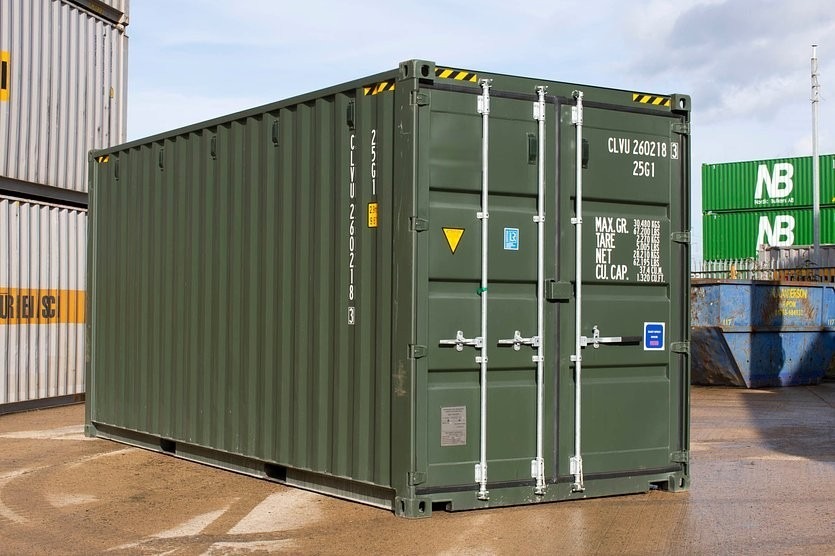
Kinds Of Shipping Containers
| Container Type | Description | Typical Uses |
|---|---|---|
| Standard Container | A basic container developed for general cargo. | Shipping products, storage. |
| High Cube Container | Similar to standard but taller, using extra vertical space. | Keeping bigger products, equipment. |
| Refrigerated Container | Insulated containers with integrated refrigeration for temperature-sensitive products. | Shipping perishables. |
| Open Top Container | Contains no top, permitting high loads that can not fit through the doorway. | Carrying heavy machinery. |
| Flat Rack Container | A flat platform for big cargo that doesn’t fit into routine containers. | Heavy and extra-large equipment. |
| Tank Container | Developed for transporting liquids and gases. | Chemicals, food. |
Secret Shipping Container Manufacturers
The international shipping container manufacturing market is controlled by a few crucial gamers. Below is a table laying out some of the most popular manufacturers, highlighting their production capability and product offerings.
| Manufacturer | Country | Yearly Production Capacity | Specialization |
|---|---|---|---|
| Maersk Container Industry | Denmark | 300,000+ containers | Requirement and refrigerated. |
| CIMC (China International Marine Containers) | China | 700,000+ containers | All types, consisting of custom designs. |
| Dong Fang International Container | China | 200,000+ containers | Requirement and high cube. |
| Singamas Container Holdings | Hong Kong | 280,000+ containers | Standard, refrigerated, and unique function. |
| T.Container | Turkey | 150,000+ containers | Used containers, shipping, and storage solutions. |
Production Process
Shipping container production involves a number of essential stages:
- Steel Cutting: Raw steel sheets are cut into the required dimensions for container walls, roofings, and floorings.
- Development: The cut steel is then formed into the container’s structure.
- Welding: The various elements are bonded together to form a sturdy container.
- Painting and Coating: A protective coating is applied to avoid rust and weather condition damage, often including company branding.
- Examination: Finally, the containers undergo rigorous assessment to guarantee they satisfy worldwide shipping requirements.
Patterns Influencing the Industry
The shipping container production market is affected by numerous trends, which include:
1. Sustainability Initiatives
Increasing emphasis on sustainable practices has actually prompted manufacturers to embrace environmentally friendly products and processes. Lots of manufacturers are now recycling old containers, refurbishing them for new usages.
2. Personalization
The rise in demand for non-standard shipping solutions has actually led to a boost in custom container designs. This is particularly common in the housing sector, where organizations produce cost effective housing solutions using modified containers.
3. Technological Advancements
The introduction of automated processes in production has actually caused increased effectiveness and reduced expenses. Furthermore, digital tracking innovations in transportation are enhancing logistics.
4. Growing Demand in Emerging Markets
Emerging economies are experiencing rapid facilities development, causing a greater demand for shipping containers for construction, retail, and storage.
Frequently Asked Questions
Q1: What is the life expectancy of a shipping container?
A1: A properly maintained shipping container generally lasts 25 to 30 years. Nevertheless, its life can be extended through proper care and upkeep.
Q2: Can shipping containers be modified for property use?
A2: Yes, shipping containers can be modified into livable spaces. Lots of architects and contractors have successfully transformed containers into homes, offices, and shops.
Q3: Are there various shipping container certifications?
A3: Yes. Containers should meet specific ISO (International Organization for Standardization) requirements to guarantee they are safe and appropriate for worldwide shipping.
Q4: How are used shipping containers sourced for sale?
A4: Used containers are usually acquired from shipping business, which sell containers that are no longer in service. They are examined and repaired before resale.
Q5: What are the costs related to buying a shipping container?
A5: Costs can vary extensively based upon the type, condition, and modifications of the container. Prices generally vary from ₤ 1,500 to ₤ 5,000 for Used Shipping Containers containers, while new containers can begin at around ₤ 3,000 and increase from there.
The landscape of shipping container manufacturing is developing, driven by sustainability, technological advancements, and diversifying applications. As markets continue to check out innovative usages for shipping containers, manufacturers will need to adjust to changing needs and remain at the leading edge of efficient production practices. Understanding the nuances of this market can assist potential buyers and financiers make informed decisions, whether they are looking to buy a container for shipping functions or repurposing it for an ingenious new job. The future of shipping containers is bright, and understanding these elements is crucial to navigating the marketplace effectively.
