
This company has no active jobs
0 Review
Rate This Company ( No reviews yet )

Exzenterschleifer Kaufen
(0)About Us
A Look In Buy A Compressor For The Garage’s Secrets Of Buy A Compressor For The Garage
Buy a Compressor for the Garage: A Guide to Choosing the Right One
A garage is more than simply a storage system or parking area; it’s a workshop, a repair work station, and in some cases, even an innovative studio. One tool that can substantially improve its performance is a compressor. Whether you’re pumping up tires, powering pneumatic tools, or painting with accuracy, a compressor is a flexible investment. This blog post explores the important aspects to consider when purchasing a compressor for your garage, its uses, and Stationary Belt Sander Offer some often asked concerns.
Understanding Compressors
What is a Compressor?A compressor is a device that converts power (utilizing an electrical motor, diesel, or gas engine) into prospective energy saved in pressurized air. This compressed air can then power various tools and equipment, making it a staple for numerous garage lovers.
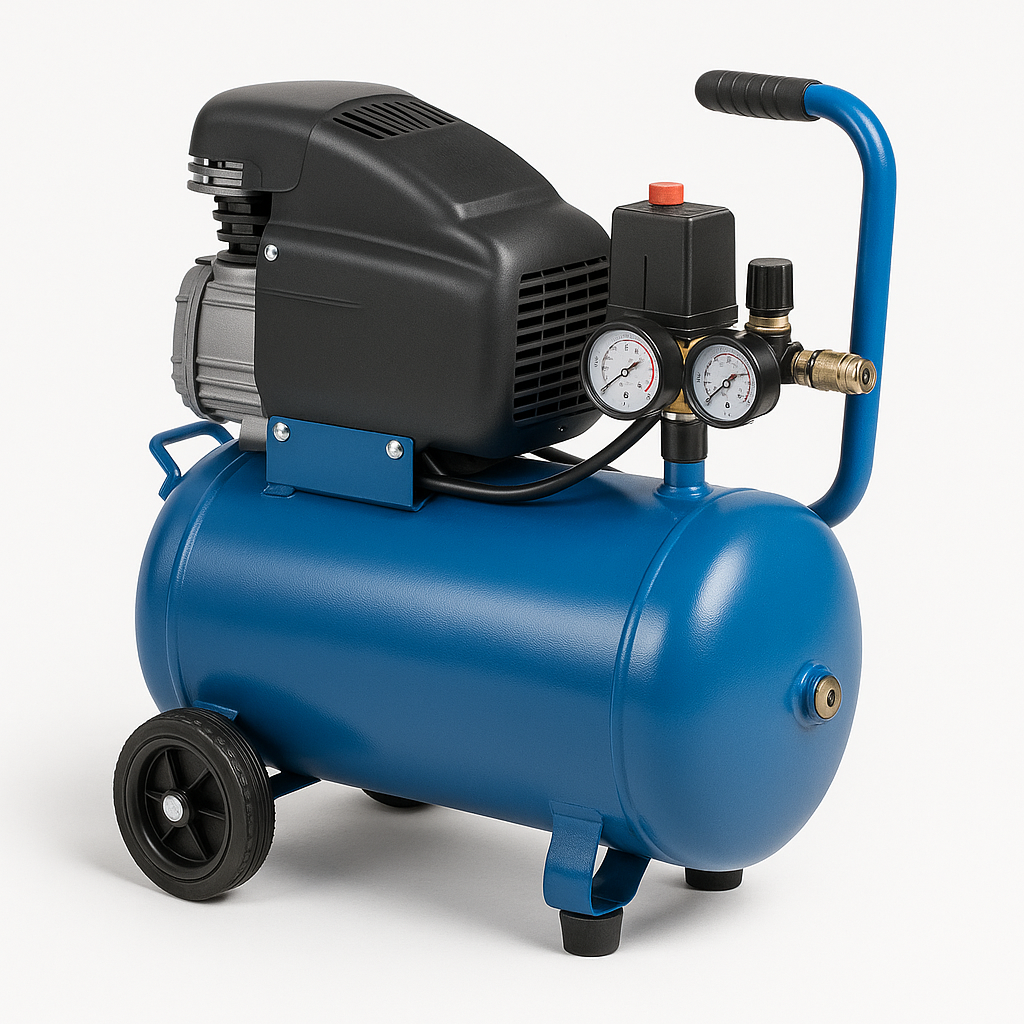
Kinds of Compressors
The primary step in selecting the ideal compressor is comprehending the types readily available. There are numerous types, each matched for different applications:
| Type | Description | Suitable Uses |
|---|---|---|
| Piston (Reciprocating) | Uses a piston to compress air | General-purpose, medium-duty jobs |
| Rotary Screw | Uses two rotors to compress air constantly | Industrial applications, high-duty usage |
| Diaphragm | Utilizes a diaphragm to compress air | Low-volume tasks, such as paint spraying |
| Portable | Light-weight and often battery-powered | Inflating tires, powering little tools |
| Oil-Free | No oil is utilized in the compression procedure | Minimal maintenance, clean environments |
Key Factors to Consider
Power Source
- Electric: Ideal for indoor usage, normally quieter, and needs less upkeep.
- Gasoline/Diesel: More powerful and portable, however noisier and not ideal for Kompressor Stehend 50L indoor usage.
Horse Power (HP)
- A higher horsepower ranking generally suggests more power and faster recovery time, but consider your need thoroughly, as higher HP normally means a higher price.
CFM (Cubic Feet per Minute) Rating
- This shows the compressor’s air shipment ability. Tools have various CFM requirements, so make sure the compressor satisfies these for your desired uses.
Tank Size
- Larger tanks save more compressed air and reduce the requirement for the compressor to run constantly. Consider your use duration: larger tanks are perfect for prolonged jobs.
Portability
- Depending upon whether you need to move your compressor around the garage or to different job sites, consider weight, size, and wheel design for ease of transport.
Advised Compressors for the Garage
Here’s a look at some popular compressor models that are well-regarded among enthusiasts and specialists alike.
| Design | Power Source | CFM at 90 PSI | Tank Size | Price Range | Perfect For |
|---|---|---|---|---|---|
| DeWalt D55146 | Electric | 5.0 | 4.5 Gallons | ₤ 350 – ₤ 400 | General function, framing nailers |
| Makita MAC2400 | Electric | 4.2 | 4.2 Gallons | ₤ 300 – ₤ 350 | Indoor usage, low noise |
| California Air Tools 6010L | Electric | 3.10 | 6.0 Gallons | ₤ 200 – ₤ 250 | Low noise, little jobs |
| Porter-Cable PXCMLC3708106 | Electric | 3.7 | 6.0 Gallons | ₤ 200 – ₤ 250 | Budget-friendly, DIY tasks |
| Bostitch BTFP3KIT | Electric | 3.2 | 6.0 Gallons | ₤ 150 – ₤ 200 | Versatile use, nail weapons |
Budgeting for a Compressor
When budgeting for a garage compressor, think about the following:
Initial Cost: Prices can differ considerably based on the type, brand name, and requirements of the compressor. Typically, anticipate to pay in between ₤ 150 and ₤ 1,500.
Upkeep Costs: Regular upkeep like oil changes (if applicable) and Schleifmaschine Für Metall routine part replacements can incur extra costs.
Usage Costs: Consider the energy intake of the compressor. An electric model will have a slight boost in your power costs, while gas designs have fuel expenses.
Regularly Asked Questions (FAQ)
1. Can I utilize a compressor inside your home?
Yes, however it depends on the type. Electric compressors are generally safe for indoor use as they do not give off exhaust fumes. Gas or diesel models ought to only be used outdoors.
2. What size compressor do I need for air tools?
The size depends upon the tools you prepare to utilize. Typically, most air tools need a compressor that can provide between 4 and 7 CFM at 90 PSI. Always check your individual tools’ specifications for their particular requirements.
3. How do I preserve my compressor?
Upkeep consists of checking and changing the oil (for Kompressor Leise Werkstatt oil-lubricated models), cleaning up the air filter, draining pipes the tank occasionally to prevent moisture accumulation, and inspecting hoses and fittings for leakages.
4. Are oil-free compressors worth it?
Oil-free compressors are practical as they require less upkeep and are cleaner for applications like painting. However, they may not last as long as oil-lubricated models under heavy usage.
5. What can I power with a compressor?
Compressors can power different tools, consisting of impact wrenches, nail weapons, spray weapons, grinders, and even blowers. They are incredibly versatile for both vehicle and DIY applications.
Investing in a compressor can considerably improve the utility of a garage, turning it into a dream office for both lovers and specialists. Despite the jobs you undertake, choosing the right compressor based on your power source, size requirements, and fahrbarer kompressor Kaufen particular applications will ensure you get the best value for your money. With this guide and the laid out options, you are well-equipped to make an informed purchase decision and release the full potential of your garage.