
This company has no active jobs
0 Review
Rate This Company ( No reviews yet )

Cooker Fans
(0)About Us
Five Killer Quora Answers To Extractor Hoods For Kitchens
The Essential Guide to Extractor Hoods for Kitchens
When it pertains to producing a functional and enjoyable cooking environment, extractor hoods are frequently neglected. These appliances play a vital function in maintaining air quality by getting rid of smoke, vapors, and undesirable odors that arise during cooking. This post will look into the value of extractor hoods, the various types offered, essential features to think about, and provide handy FAQs to guide your selection procedure.
What Are Extractor Hoods?
Extractor hoods, in some cases described as range hoods or kitchen hoods, are devices set up above cooking home appliances. Their main purpose is to record smoke and grease particles generated while cooking. They likewise assist to remove smells, ensuring that your kitchen remains fresh and clean.
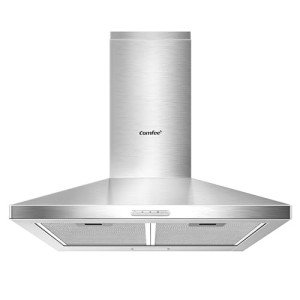
Table 1: Key Functions of Extractor Hoods
| Function | Description |
|---|---|
| Air Purification | Removes smoke, smells, and grease particle from the air |
| Ventilation | Circulates and refreshes indoor air quality |
| Temperature level Control | Helps manage heat around cooking areas |
| Aesthetic Appeal | Complements kitchen decor and improves general aesthetic appeals |
Kinds Of Extractor Hoods
Extractor hoods come in various designs and types, each matched for particular kitchen styles and cooking needs. Comprehending these types can help you pick the very best option for your home.
Table 2: Types of Extractor Hoods
| Type | Description | Pros | Cons |
|---|---|---|---|
| Wall-Mounted | Fixed to the wall above the stove, typically utilized in open kitchens. | Space-saving, trendy, and efficient. | Needs sufficient wall space. |
| Under-Cabinet | Set up under a cabinet, ideal for compact kitchens. | Discreet and space-efficient. | Might be less powerful than other types. |
| Island | Placed above a cooking island, appropriate for open-concept layouts. | Boosts kitchen visual appeals and functionality. | More costly and installation might be complex. |
| Downdraft | Integrated into the cooktop and rises when required, exceptional for kitchens with restricted area. | Minimalist style and conserves space. | Restricted suction power compared to conventional hoods. |
| Expert | Durable hoods developed for commercial-grade ovens and ranges, suitable for major home cooks. | Effective ventilation and high efficiency. | Larger and may need professional installation. |
Essential Features to Consider
When picking an extractor hood, several functions ought to be assessed to guarantee you select an appliance that fits your cooking routines and kitchen design.
List of Features to Consider
Ventilation Type: Choose between ducted or ductless systems based on your kitchen’s design.
- Ducted Hoods: Vent air to the outdoors, supplying remarkable purification.
- Ductless Hoods: Use filters to tidy and recirculate air back into the kitchen, easier to set up.
Airflow Capacity: Measured in CFM (cubic feet per minute), which suggests the volume of air the hood can move. Aim for at least 300 CFM for effective ventilation.
Sound Level: Look for designs rated in sones (a system of perceived loudness). A quieter operation (2-4 sones) is usually chosen, especially in open spaces.
Filter Type:
- Baffle Filters: Good for high temperature cooking; more resilient and simpler to clean.
- Mesh Filters: Usually made from aluminum; effective for light to medium cooking.
Control Options: Consider whether you ‘d choose manual push buttons, touch controls, or clever features that incorporate with home systems.
Lighting: Built-in lights are important for visibility while cooking; LED options are energy-efficient and long-lasting.
Table 3: Common Features Breakdown
| Feature | Ducted | Ductless |
|---|---|---|
| Airflow Capacity | High (400+ CFM) | Varies (normally lower) |
| Filtration | Primarily baffle | Charcoal or aluminum mesh |
| Setup | More complex | Usually simpler |
| Noise Level | Quieter choices exist | Can be noisier due to minimal styles |
| Expense | Greater preliminary expense | More inexpensive options typically available |
Advantages of Using an Extractor Hood
The advantages of setting up an Extractor hoods For kitchens hood extend beyond simply eliminating unpleasant odors; they substantially impact health and cooking performance.
- Improved Air Quality: Reduces pollutants, offering a much healthier cooking environment.
- Smell Control: Eliminates sticking around smells, allowing for an enjoyable kitchen experience.
- Fire Safety: Limits the threat of grease fires by eliminating flammable particles from the air.
- Improved Cooking Visibility: Bright lighting enhances exposure when cooking.
- Stylish Addition: Complements kitchen design and boosts total visual appeal.
Regularly Asked Questions (FAQs)
1. How do I identify the ideal size extractor hood for my kitchen?
Measure your stove width and choose a hood that is at least 3 inches larger than your cooktop. Likewise, think about the height from the cooktop to the bottom of the hood (30-36 inches for best efficiency).
2. Are ducted hoods much better than ductless hoods?
Yes, ducted hoods normally supply more reliable odor and smoke elimination considering that they vent air outside. Ductless hoods are easier to set up however may need regular filter changes to keep effectiveness.
3. How often should I clean the filters?
Clean baffle filters every 3-4 months and replace or clean mesh filters according to the manufacturer’s recommendations, normally every 1-2 months.
4. Do I need to employ an expert for setup?
For ducted hoods, professional setup is frequently advised, specifically if comprehensive ductwork is involved. Ductless hoods are generally more straightforward and can typically be DIY-installed.
5. What is the most energy-efficient option?
Try to find hoods with LED lighting and Energy Star-rated designs that use less energy without sacrificing efficiency.
Choosing the best extractor hood for your kitchen is vital for keeping air quality, security, and aesthetic appeals. By comprehending the different types and features of extractor hoods, house owners can make an informed choice that best fits their cooking habits and kitchen style. Whether you’re a periodic cook or a culinary enthusiast, installing a quality extractor hood is a significant action toward producing a more satisfying kitchen environment.