
This company has no active jobs
0 Review
Rate This Company ( No reviews yet )

Buy New Pallets
(0)About Us
The 10 Scariest Things About Buy New Pallets
Buy New Pallets: A Comprehensive Guide for Businesses
Pallets are an important component of supply chain and logistics management, providing a tough base for the transportation and storage of items. For companies that count on these versatile platforms, the decision to buy new pallets is important. In this article, we’ll explore the various aspects of acquiring new pallets, consisting of types of pallets, elements to think about, advantages of new pallets, and frequently asked questions, total with tables for a clearer understanding.
Understanding Pallet Types
When considering purchasing new pallets, it’s important to acknowledge the various types readily available. Below is a table detailing the most common pallet types and their functions:
| Pallet Type | Material | Weight Capacity | Normal Usage |
|---|---|---|---|
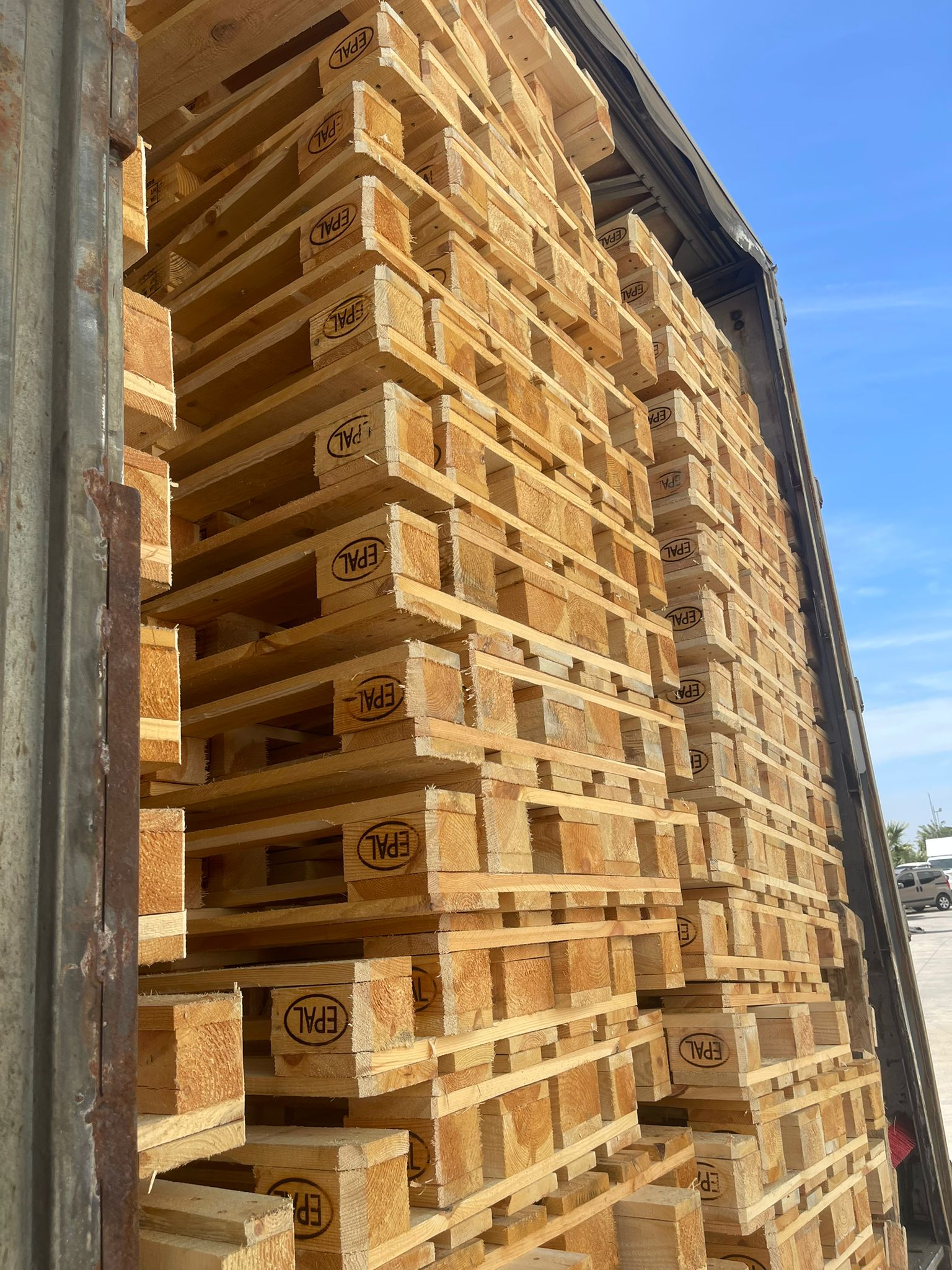
| Wooden Pallets | Softwood/Hardwood | Approximately 4,600 pounds | General shipping and storage |
| Plastic Pallets | HDPE/PP | Up to 3,000 pounds | Food, pharmaceuticals, and dangerous goods |
| Metal Pallets | Aluminum/Steel | Approximately 10,000 pounds | Durable industrial applications |
| Cardboard Pallets | Corrugated | Approximately 1,500 lbs | Lightweight products and export shipping |
| Composite Pallets | Mix of materials | Approximately 2,000 lbs | Versatile usage throughout markets |
Benefits and drawbacks of Each Type
Understanding the advantages and drawbacks of each pallet type can assist services make an informed choice:
| Pallet Type | Benefits | Disadvantages |
|---|---|---|
| Wooden Pallets | Extensively readily available and affordable | Prone to splinters and pests |
| Plastic Pallets | Durable and easy to clean | More costly than wood |
| Metal Pallets | Ultimate resilience and strength | Much heavier and can be more expensive |
| Cardboard Pallets | Light-weight and environmentally friendly | Less resilient under heavy loads |
| Composite Pallets | More powerful than wood, lighter than metal | Higher preliminary expense |
Aspects to Consider When Buying New Pallets
Before buying new pallets, organizations need to think about several factors that can substantially impact their choice:
Load Capacity: Analyze the weight of the products you plan to transfer and guarantee the pallets can handle the load.
Pallet Size: Standard sizes are normally 48″x40″, but businesses might require custom-made sizes depending on their requirements.
Product: Determine the very best product based on the specific use case– take a look at the environment and item nature.
Sturdiness Requirements: Consider how often pallets will be reused and the conditions they will deal with, such as exposure to moisture or chemicals.
Regulatory Compliance: Some industries require pallets to satisfy particular policies (e.g., ISPM 15 for wooden pallets).
Expense: New pallets can differ substantially in cost; it’s crucial to evaluate your spending plan while guaranteeing quality.
| Considerations | Information |
|---|---|
| Load Capacity | Make sure pallets can manage your specific item weights |
| Pallet Size | Basic or custom-made sizes, based upon storage and transport |
| Product | Options like wood, plastic, metal– choose accordingly |
| Resilience | Examine the frequency of use and environmental conditions |
| Regulatory Needs | Compliance with industry requirements for specific materials |
| Spending plan | Identify an affordable total expense and examine suppliers |
Benefits of Buying New Pallets
Purchasing new pallets can bring several advantages to businesses:
- Enhanced Durability: New pallets are less likely to be damaged, which boosts safety and lowers the risk of product loss.
- Compliance Assurance: Investing in new pallets can help fulfill regulative requirements without risking fines or penalties.
- Improved Efficiency: New pallets are often more reputable, which enhances the loading and discharging processes.
- Customized Designs: Many providers provide modification choices to meet particular brand name or functional needs.
- Increased Sustainability: More suppliers are using eco-friendly pallets, which can enhance corporate social duty efforts.
Often Asked Questions (FAQ)
1. How do I understand what size pallet I need?
Answer: The size of the pallet depends on your item dimensions and storage areas. Standard sizes are typically available, but it’s best to determine your items and storage area initially.
2. What is the typical lifespan of a wooden pallet?
Answer: Wooden pallets can last anywhere from 4-8 years if correctly maintained, while new pallets developed for multiple usages can last even longer.
3. Can I purchase custom pallets?
Response: Yes, many suppliers offer the choice to develop custom-made pallets. It’s recommended to discuss your particular requirements with your supplier.
4. Are plastic pallets worth the investment?
Response: Yes, while initially more pricey, plastic pallets use durability, much easier maintenance, and potential cost savings in the long run due to lower replacement expenses.
5. How can I find credible suppliers?
Answer: Research online reviews, ask for suggestions from industry peers, and consider going to exhibition to get a sense of the supplier’s track record and quality.
The choice to buy new pallets is one that businesses ought to carry out thoughtfully. By thinking about the kinds of pallets offered, weighing the pros and cons of each type, comprehending the elements affecting the purchase, and acknowledging the numerous benefits, companies can optimize their logistics and storage strategies. Investing in new pallets not just helps in keeping product quality throughout transport however likewise enhances total effectiveness in operations. Whether you’re a small company or a large corporation, making informed choices about pallet acquiring is vital to your success in today’s competitive market.